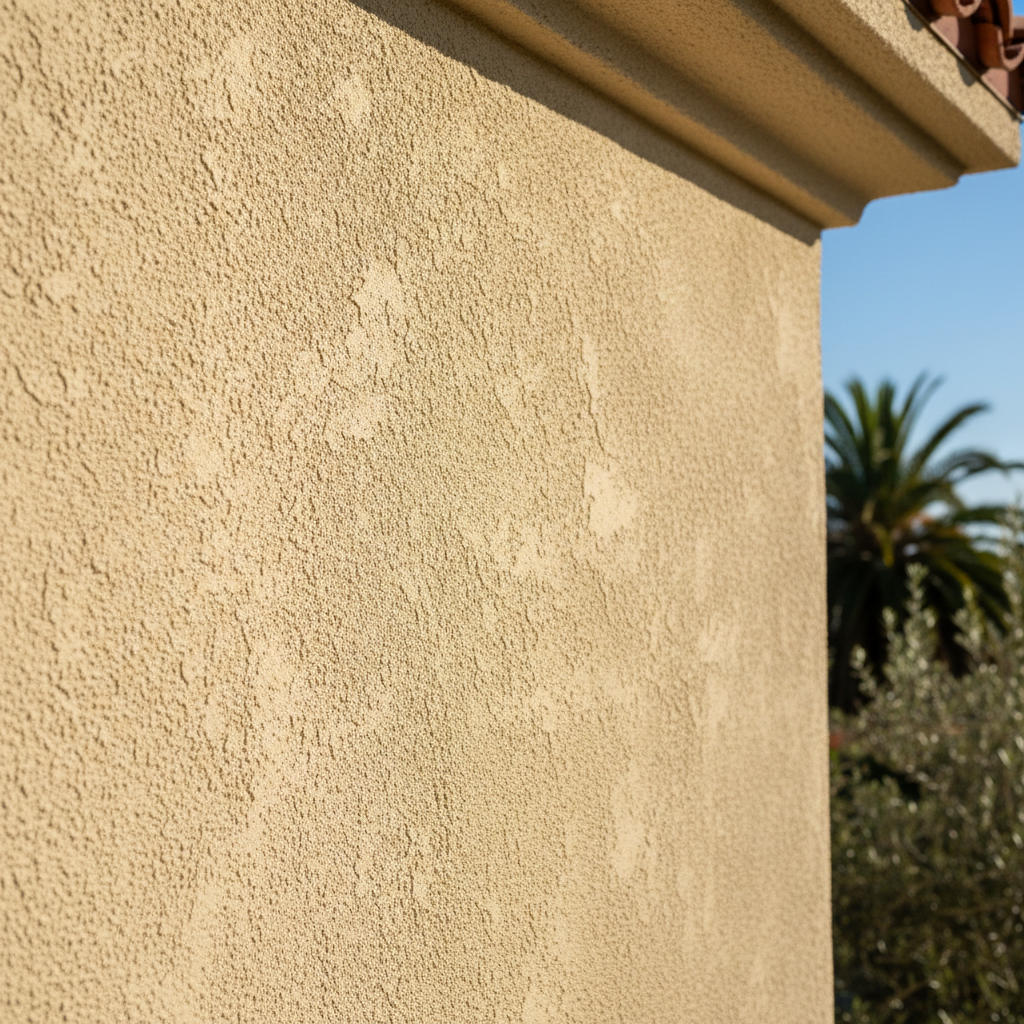
So, you've got stucco on your Beverly Hills home. That's fantastic! It's a tough, good-looking finish that really fits a lot of the architecture we see around here, whether it's Spanish Colonial or Mediterranean Revival. But, like anything else, it needs a little looking after. And that means knowing how to check it out. You don't have to be a stucco guru to spot potential issues, but you do need to know what to look for and when it's time to call someone like me.
Before You Start Looking: Get Ready
Before you even step outside, grab a few things. You'll want a notepad and a pen, maybe your phone camera, and binoculars if you happen to have them. A small flashlight can be super helpful for peeking into shadowy spots. Now, you're not going to be climbing ladders or poking at anything with tools – this is just a visual check. Think of it like giving your house a good once-over, just like you'd check your car's tires before a long road trip.
It also helps to understand your home's history. Do you know when the stucco was last redashed or repaired? Has there been any big landscaping or construction nearby lately? Sometimes, problems aren't just about the stucco itself, but what's going on around it. For example, if you're in a spot like Trousdale Estates with lots of hillside homes, ground movement can sometimes put extra strain on foundations and, by extension, your stucco.
Your DIY Stucco Inspection Checklist: What to Keep an Eye Out For
Alright, let's head out. Walk around your entire house, taking it slow. Don't rush it. Give yourself time and really look at everything, from top to bottom.
- Cracks: This is the big one, right? Not every crack is a disaster, but you need to know the difference. Hairline cracks, especially around windows and doors, are pretty common. They're often just on the surface and happen as the house settles or with temperature changes. But if you spot cracks wider than a credit card, or if they're running diagonally from the corners of openings, or if they look like a spiderweb pattern – that's a red flag. Those could mean structural movement or water getting in.
- Stains: Look for discolored areas. Dark streaks, particularly under windows, near the roofline, or around any openings like pipes or vents, usually mean water is finding its way in. Green or black stains could be mold or mildew, which definitely points to moisture. Rust-colored streaks might indicate that metal flashing is corroding behind the stucco.
- Bulges or Soft Spots: Gently press on the stucco in a few places, especially near the bottom of walls or around windows. Does it feel soft or spongy? Is it bulging out? This is a strong sign of water damage and possibly rot underneath.
- Deterioration: Is the stucco crumbling, flaking, or peeling away from the wall (that's delaminating)? This can happen over time, especially if the original mix wasn't quite right or if there's been constant moisture exposure.
- Window and Door Flashing: Pay close attention to where your windows and doors meet the stucco. Are the sealants cracked or missing? Any sign of water entry here? This is a very common spot for water to sneak in.
- Kick-out Flashing: If you have a roofline that ends right against a wall, make sure there's kick-out flashing. It's a small piece of metal that directs water away from the wall. Without it, water just runs down the wall and can cause serious damage.
- Foundation Clearance: Your stucco shouldn't go all the way down to the dirt. You should see at least 6-8 inches of exposed foundation between the bottom of your stucco and the ground. If it's buried, moisture from the soil can wick up into the stucco and cause problems.
When to Call a Pro (Like Beverly Hills Stucco & Plastering)
You've done your walk-around, you've taken notes, and now you've got some concerns. Excellent! That's exactly what this DIY inspection is for. Now, it's time to bring in the experts. Please, don't try to fix major cracks or water intrusion issues yourself. You could make things worse, and you might not even get to the real root of the problem.
You definitely need a professional inspection if you notice:
- Any cracks wider than a credit card.
- Significant staining, especially dark or rust-colored streaks.
- Soft or bulging areas in the stucco.
- Evidence of water getting in around windows, doors, or at the foundation.
- Large sections of stucco that are crumbling or peeling off.
- Any worries about your home's structural integrity that seem related to the stucco.
A professional stucco contractor, like us at Beverly Hills Stucco & Plastering, has specialized tools and plenty of experience. We can use moisture meters to find hidden water, perform invasive inspections if needed (with your permission, of course), and accurately figure out what's causing the issue. We don't just patch things up; we find out why it's happening and fix it correctly.
After the Professional Inspection: What Happens Next
Once a pro has looked at your stucco, you should get a clear, detailed report. This report should lay out any problems found, explain how serious they are, and suggest specific fixes. Don't be shy about asking questions. A good contractor will explain everything in plain English, not a bunch of industry jargon. You'll get an estimate for the recommended work, and then you can decide how you want to move forward. Catching problems early with a good inspection can save you a whole lot of money and headaches down the line, believe me.